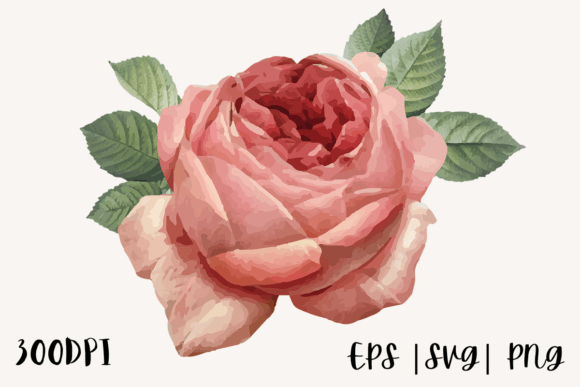
Decorative Watercolor Rose Illustration: A Versatile Asset for Bloggers and Digital Publishers
As a blog designer and digital publisher who regularly evaluates visual assets for real-world content creation, the Decorative Watercolor Rose Illustration immediately caught my eye. This is the kind of design that feels both timeless and modern, blending a soft, artistic aesthetic with the flexibility needed for a wide range of publishing formats.
The first impression is one of elegance and warmth. The watercolor texture gives it a handcrafted, slightly whimsical feel, while the rose motif adds a touch of sophistication. It’s the kind of graphic design asset that leans into a feminine, lifestyle-focused editorial mood, making it ideal for niches like wellness, fashion, home decor, food blogging, and creative entrepreneurship.
How This Illustration Elevates Editorial and Web Design
When it comes to blog graphics or website headers, visual harmony matters. The Decorative Watercolor Rose Illustration doesn’t overpower the layout, but rather enhances the emotional tone of the page. Used as a background element in a blog post header or as a featured image on a landing page, it creates a sense of visual identity that aligns beautifully with brands that value creativity and approachability.
For content creators who want to build reader trust through polished visuals, this illustration helps establish a more professional-looking content page. It’s not just decorative—it supports a clearer visual hierarchy, guiding the viewer’s eye toward key content areas like headlines or calls to action.
Real-World Publishing Uses for Decorative Watercolor Rose Illustration
- Blog Featured Images: Perfect for lifestyle or seasonal posts, especially those focused on beauty, nature, or self-care topics.
- Pinterest Graphics: The soft color palette and organic shape make it ideal for eye-catching Pinterest pins that stand out in a crowded feed.
- Newsletter Headers: Adds a touch of warmth and personality to email banners, enhancing the content upgrade experience.
- Digital Guides and eBooks: Works well as a decorative element in headers, footers, or chapter dividers, contributing to a cohesive printable design.
- Canva Templates: Easy to integrate into pre-designed templates for social media, affiliate marketing graphics, or lead magnet visuals.
- Social Media Posts: Offers a soft background for quote graphics, product highlights, or promotional content across Instagram, Facebook, and Pinterest.
- Category Thumbnails: Helps establish category recognition when used consistently across a blog or digital guide.
Where This Design Asset Shines
This illustration truly excels in environments where a gentle, artistic touch is desired. It works beautifully as a hero image on landing pages, especially for digital products like planners, guides, or wellness resources. It also enhances downloadable resources and lead magnets by giving them a more curated, intentional look.
In editorial design, it’s ideal for adding subtle visual accents to blog post intros or section dividers. When used in newsletter graphics or media kits, it contributes to a brand’s visual identity without distracting from the message.
Where to Use It with Care
While the Decorative Watercolor Rose Illustration is versatile, it’s best used thoughtfully. In text-heavy blog images, especially on mobile, the softness of the watercolor may reduce readability. Similarly, in low-contrast backgrounds or busy layouts, it might get lost or compete with other visual elements.
For serious professional niches like finance, tech, or corporate content, this style may feel out of place unless the brand leans into a more creative or boutique aesthetic. Likewise, websites that follow a minimal visual system should consider using this illustration sparingly, perhaps as a subtle accent rather than a dominant design element.
Publisher’s Checklist: Testing and Optimization Tips
Before integrating this design asset into your content workflow, here are a few practical steps I recommend:
- Test on desktop and mobile screens: Ensure the illustration looks crisp and readable on all devices.
- Preview as a thumbnail: Check how it appears in small sizes, especially for Pinterest pins or social media previews.
- Try it in a real blog layout: See how it interacts with your existing fonts and color scheme.
- Overlay headline text: Make sure the illustration doesn’t interfere with legibility or click-through potential.
- Check contrast and readability: If using over light or dark backgrounds, ensure it maintains visual clarity.
- Test with different fonts: Pair it with serif, sans-serif, script, and display fonts to see which combinations feel most cohesive.
- Review file size: Optimize for web performance—compress the image without sacrificing quality.
- Confirm licensing: Always verify that the commercial license allows use on monetized blogs, affiliate pages, or digital products.
Final Thoughts: A Design Asset That Supports Content Performance
In the fast-paced world of content marketing and affiliate marketing, having a strong visual hierarchy can make all the difference. The Decorative Watercolor Rose Illustration is more than just a pretty image—it’s a creative design tool that helps bloggers and digital publishers create content that feels more polished, trustworthy, and clickable.
Whether you're building a digital guide, designing a lead magnet, or enhancing your small business branding, this illustration offers a subtle yet impactful way to elevate your content presentation. It’s a smart addition to any creative marketplace toolkit, especially for those who want to infuse a sense of warmth and artistry into their web design and editorial layouts.