Watercolor Clip Art Pirates: A Designer’s Review for Real Client Projects
As a graphic designer working with small brands, handmade businesses, and creative entrepreneurs, I’m always on the lookout for design assets that can elevate a project without compromising professionalism. Watercolor Clip Art Pirates immediately caught my eye—not just for its whimsical charm, but for its potential to support a wide variety of visual directions. In this review, I’ll walk through how this set of illustrations performs in real-world design scenarios, and what to watch for before integrating it into client work.
First Impressions: A Nautical Adventure with a Watercolor Touch
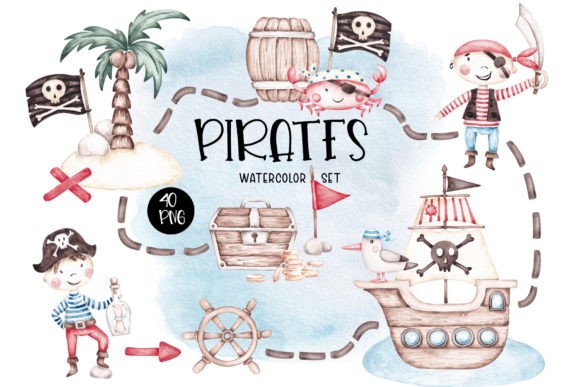
Opening the Watercolor Clip Art Pirates package, I was greeted with a collection of hand-painted pirate-themed illustrations that feel both nostalgic and fresh. The watercolor texture gives the graphics a soft, organic edge that instantly adds character to any layout. This isn’t just a clipart set—it’s a visual story waiting to be told. The color palette leans toward earthy tones with pops of red, gold, and deep blue, making it versatile for themed branding or seasonal campaigns.
Perfect Fit for Themed Branding and Playful Packaging
I recently worked on a pirate-themed packaging concept for a boutique candy brand launching a limited-edition treasure hunt collection. Watercolor Clip Art Pirates would have been ideal for that project. The illustrations bring a sense of adventure and fun, perfect for packaging design, product labels, and even branded stickers. When placed on kraft paper or pastel backgrounds, the watercolor effect adds a handmade, artisanal quality that resonates well with small business branding and print-on-demand sellers.
Social Media Graphics and Digital Campaigns
For social media content creators and digital marketers, this design asset offers a unique visual hook. I tested the pirate illustrations in a series of Instagram stories and Pinterest pins for a client’s summer reading campaign. The organic texture and bold shapes translated well across digital formats. The watercolor strokes helped the visuals feel less “stock” and more custom, which boosted engagement. The illustrations also worked well in Canva templates and Cricut projects, making them accessible for both DIY creators and professional designers.
Logo Design and Brand Identity Considerations
While Watercolor Clip Art Pirates isn’t a logo design kit, it can be used to build supporting brand elements. For example, a small business launching a pirate-themed escape room could incorporate these illustrations into their brand identity as secondary graphics or pattern elements. However, due to the soft, textured nature of the artwork, I’d recommend using it as an accent rather than the core of a logo system. For logo design, clean vector graphics or custom typography would pair better to maintain visual hierarchy and scalability.
Printable Design and Merchandise Potential
If you’re a digital seller or Etsy shop owner, this set is a strong contender for printable wall art, greeting cards, or themed stickers. The illustrations scale well, and the PNG files with transparent backgrounds make it easy to layer over other textures or patterns. I tested a few designs for printable party invitations and found that the watercolor effect added a touch of elegance without overwhelming the layout. For t-shirt design and tote bag prints, I recommend using the SVG files to ensure crisp lines when printing on fabric.
Where Watercolor Clip Art Pirates Excels
- Themed collections like seasonal campaigns or event branding
- Product mockups for packaging or merchandise visuals
- Decorative accents in editorial or blog graphics
- Hero graphics on websites or landing pages with a playful tone
- Printable designs for stickers, cards, and wall art
- Social media posts that need a handcrafted, visual hook
Where to Use It with Caution
Despite its charm, Watercolor Clip Art Pirates isn’t a one-size-fits-all solution. The soft edges and watercolor texture can become muddied in complex layouts or when used at very small sizes. I noticed that on dark backgrounds, some of the subtler details were lost unless I adjusted the contrast. This makes it less ideal for minimalist branding or corporate materials where clarity and precision are key.
Additionally, if your brand uses a very clean, modern design language—think flat design or strict geometric shapes—this asset might clash unless carefully balanced with simpler elements. Always preview it across different formats and sizes before finalizing your layout.
Designer Notes: What to Check Before Using Commercially
Before integrating Watercolor Clip Art Pirates into a client project, here are a few practical checks I always run:
- Test in black and white to ensure the design still works without color cues.
- Preview at small sizes to confirm legibility and clarity.
- Check contrast on both light and dark backgrounds for visual consistency.
- Place it on real mockups to see how it interacts with textures and lighting.
- Review file formats—make sure SVG, PNG, or EPS files are included and editable.
- Inspect PNG transparency for seamless layering in design software.
- Compare with fonts—pair with script or handwritten fonts for a cohesive look, or contrast with clean sans serifs for modern balance.
- Confirm commercial licensing to ensure it can be used for client work or print-on-demand products.
Final Thoughts: A Versatile Creative Asset for the Right Project
Watercolor Clip Art Pirates isn’t just another clipart bundle—it’s a creative design tool that can bring warmth, storytelling, and visual interest to the right project. Whether you’re designing a themed product line, crafting a seasonal campaign, or building a playful brand identity, this set offers flexibility and emotional appeal. Just be mindful of its stylistic strengths and limitations.
For designers, marketers, and digital sellers who work with themed content, handmade businesses, or creative marketplaces, this is a design asset worth exploring. With thoughtful application and technical review, Watercolor Clip Art Pirates can become a valuable part of your visual toolkit—especially when you need to add a touch of adventure to your next client project.