Rose Watercolor Clipart: A Designer’s Honest Take for Real Embroidery Use
First Impressions: Soft, Romantic, and Versatile
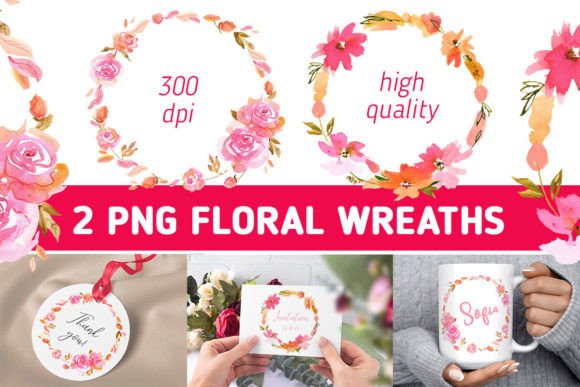
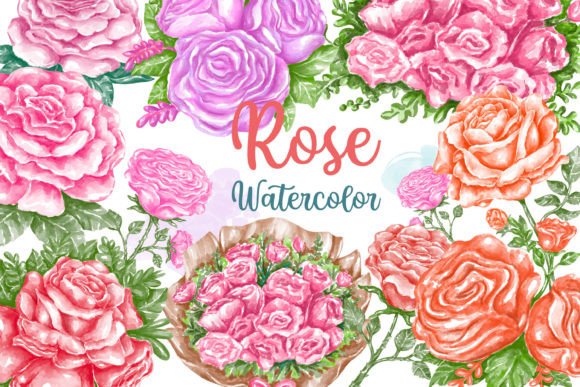
Opening the Rose Watercolor Clipart file, I was immediately drawn to its soft, painterly aesthetic. The design mimics a hand-painted watercolor rose, complete with delicate gradients and organic edges. It’s got that “just right” balance between detailed and airy—perfect for embroidery designers looking to add a touch of elegance without overwhelming a garment or accessory.
The layout feels intentional, with a central bloom that’s neither too large nor too sparse. It reads well at a glance, which is key for embroidered products that need to catch attention quickly, like Etsy listings or boutique items. The visual personality leans feminine and gentle, making it ideal for baby clothes, bridal gifts, or personalized tote bags.
How It Performs in Real Embroidery Projects
I tested Rose Watercolor Clipart on a few different mockups—starting with a linen tote bag and a cotton sweatshirt. Right away, the design translated well into both satin and fill stitch formats. The soft edges held up nicely without fraying too much on the fabric, and the detail level was sufficient for recognition without being overly complex.
- Custom Apparel: Works beautifully on sweatshirts and tees. The watercolor texture adds depth without being too busy.
- Baby Embroidery: The gentle tones and floral theme make it a sweet addition to onesies and baby blankets.
- Personalized Gifts: Perfect for embroidered pillows or tea towels—especially when paired with a name or short phrase.
- Commercial Embroidery: Scales well for boutique branding or small shop merchandise like embroidered patches or aprons.
It also held up well in a mockup for holiday gifts—think embroidered ornaments or gift bags. The color variations in the original clipart helped it avoid looking flat once converted into an embroidery file. That’s a big win for designers who want their machine embroidery design to feel more “handmade” than “machine-stitched.”
Where to Use It Carefully
Like any detailed design, Rose Watercolor Clipart needs thoughtful placement. I noticed that on a curved surface like a baseball cap, some of the finer details started to get lost in the stitching. It’s still usable, but you’ll want to test it first and possibly simplify the file for that application.
Here are a few situations where extra attention is needed:
- Small Hoop Sizes: The intricate edges may not translate well if scaled down too much.
- Textured Fabrics: Linen or burlap can mute the softness of the watercolor effect.
- Dark Fabrics: The light color variations may not show up clearly unless thread colors are carefully selected.
- Stretchy Fabrics: May distort slightly if not stabilized properly, especially around the detailed petal edges.
- Layered Garments: Think jackets or thick hoodies—make sure the hoop size and stitch density can accommodate the extra thickness.
How It Impacts Design Quality and Customer Appeal
From a business standpoint, Rose Watercolor Clipart brings a level of sophistication that elevates the final product. Whether it’s used on a personalized gift or a small shop item, it adds a visual premium that customers can sense—even if they don’t know what a “watercolor clipart” is.
In terms of stitching clarity, the design holds up well across most common fabric types. The satin and fill stitch breakdown is clean, and the overall composition doesn’t require excessive thread color changes, which is a plus for production efficiency.
For Etsy sellers and craft entrepreneurs, this kind of design can help build brand consistency—especially if your aesthetic leans toward the soft, vintage, or botanical. It also boosts giftability, since it reads as “thoughtful” rather than generic.
Designer Notes: What to Check Before Stitching
Before using Rose Watercolor Clipart in a client project or commercial product, here are a few practical checks I always run through:
- Test on scrap fabric first, especially if you're using a new stabilizer or working with a stretchy material.
- Review thread color contrast—some of the subtle gradients may need color adjustments for visibility.
- Check stitch density in the detailed areas to avoid puckering or thread breaks.
- Confirm hoop size compatibility with your machine before starting a large batch.
- Inspect small details under magnification to ensure they stitch cleanly.
- Try a black and white mockup to see how the design holds up without color.
- Compare light and dark fabric backgrounds to see if thread color adjustments are needed.
- Use the right stabilizer—especially for textured or stretchy fabrics.
- Verify licensing before selling finished items or digital embroidery files to stay within legal bounds.
Final Thoughts: A Solid Choice for Versatile Embroidery Use
Overall, Rose Watercolor Clipart is a thoughtful, well-designed asset that brings a touch of artistry to real-world embroidery projects. Whether you're crafting personalized gifts, designing for a small shop, or adding flair to boutique apparel, it’s a versatile option that holds up well under practical use.
As with any embroidery file, success comes down to testing and thoughtful application. But if you’re looking for a soft, romantic design that works across a range of products—from baby embroidery to holiday gifts—this one is definitely worth a try.