Watercolor Candy House 9: A Designer’s Honest Take for Real Embroidery Projects
First Impressions: Whimsy Meets Watercolor Magic
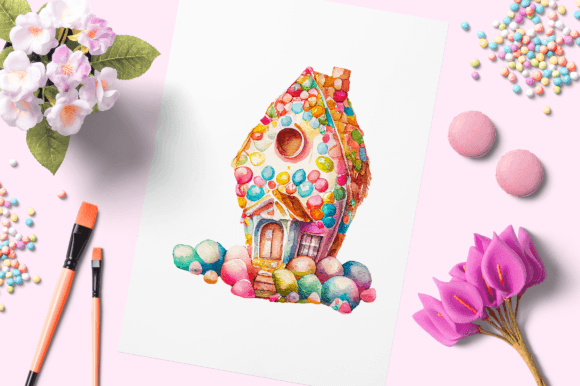
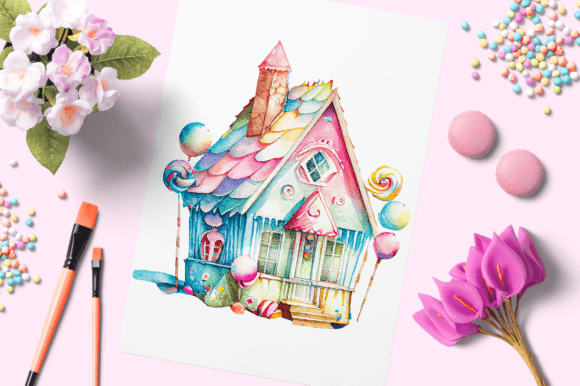
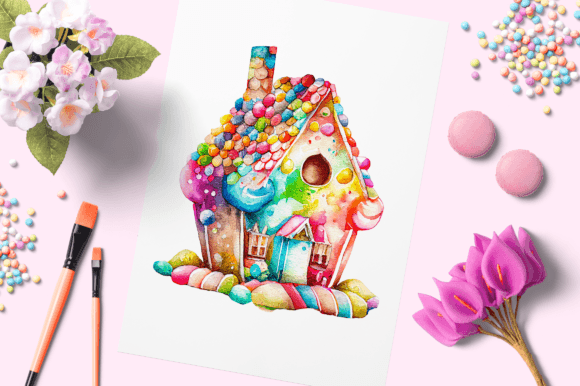
When I first opened the Watercolor Candy House 9 embroidery file, it felt like stepping into a storybook. The soft washes of color, gentle edges, and playful layout immediately set a whimsical tone. It’s a design that feels hand-painted, not digitized — a rarity in machine embroidery files. The illustration style leans toward a childlike charm, making it a natural fit for baby items, nursery decor, or boutique-style apparel. But don’t let the softness fool you — this design has a strong visual presence that can anchor a variety of handmade products.
Real-Life Use: From Tote Bags to Baby Onesies
I tested the Watercolor Candy House 9 on a few different materials to see how it would hold up in actual projects. Starting with a cotton tote bag, the design stitched out cleanly, with the watercolor texture translating surprisingly well into thread. The satin and fill stitches blended seamlessly, giving the illusion of brushstrokes without looking muddy.
Next, I tried it on a baby onesie. The design scaled down nicely without losing its character, though I did notice some of the finer details (like the candy cane trim) became a bit less defined. Still, it retained enough charm to make a sweet, personalized gift. For Etsy sellers or small shop owners, this could be a standout option for custom baby gifts or holiday-themed items.
Where It Shines: Commercial and Personalized Embroidery
One of the standout features of Watercolor Candy House 9 is its versatility. It works well in both personal and commercial embroidery projects. I used it on a sweatshirt for a boutique client, and the result was soft yet bold — perfect for seasonal collections or whimsical branding. It also performed well on a patch, holding up to trimming and iron-on backing without distortion.
If you're an Etsy seller or craft business owner, this design could be a strong addition to your digital embroidery file collection. It reads well in both digital mockups and physical products, which is key when selling online. The watercolor aesthetic gives it a handmade, artistic edge that customers tend to respond to positively.
Caution Zones: Fabric and Fit Matter
While the design is beautiful, it's not without its limitations. I noticed that on textured or stretchy fabrics like fleece or knits, some of the more delicate elements — especially around the edges — tended to sink into the fabric or distort slightly. On dark backgrounds, the color contrast also became less vibrant, especially in the lighter watercolor wash areas.
For best results, I recommend using it on smooth, tightly woven fabrics like cotton canvas, twill, or medium-weight linen. If you're embroidering on a curved surface like a cap or a rounded tote strap, test the file first — the detail in the corners can get lost or pulled out of shape.
Visual Impact: More Than Just Cute
The Watercolor Candy House 9 design adds more than just decoration — it enhances the overall appeal of the finished product. Whether on a pillow cover, a holiday ornament, or a personalized tea towel, it brings a sense of artistry that elevates the item from basic to boutique. This kind of visual polish can make a real difference in customer trust and perceived value, especially for handmade sellers trying to compete in a crowded market.
From a branding standpoint, it could work well as a recurring theme in seasonal collections or as a signature design for a small shop. It’s distinctive enough to stand out in a digital product preview or printable mockup, which is essential for online sales.
Designer Notes: Before You Stitch
- Test on scrap fabric first, especially if you're working with a new material or hoop size.
- Check thread color contrast — the watercolor effect relies on subtle blends, so poor thread choices can mute the design.
- Review stitch density, especially in the painted-style sections. You may want to adjust settings for smoother coverage.
- Inspect small details after stitching — some of the fine lines may need tweaking depending on your machine.
- Try it in black and white mockups to see how it reads without color.
- Compare performance on light vs. dark fabric to determine best use cases.
- Use proper stabilizer — especially if you're stitching on stretchy or textured materials.
- Confirm licensing terms before using in commercial embroidery or digital product sales.
Final Thoughts: A Versatile Addition to Your Design Kit
Overall, the Watercolor Candy House 9 is a well-crafted, expressive embroidery design that offers both charm and flexibility. It’s not just a cute illustration — it’s a usable, marketable asset for a wide range of embroidery projects. Whether you're creating personalized gifts, boutique apparel, or digital embroidery files for resale, this design brings a unique artistic flair that’s hard to find in standard machine embroidery files.
Just remember to consider your fabric, hoop size, and intended use before stitching. With a little planning, this design can become a go-to favorite in your creative toolkit — and a hit with your customers.